Three weeks to try to understand a complicated country on its own terms.
Wednesday 23 April
We arrive in Belgrade tired and somewhat dishevelled after nearly 24 hours on the road from Hong Kong. Our driver, Nikola, is waiting for us at Nicola Tesla Airport. He’s keen to chat as he drives us downtown, taking a sightseeing detour through the riverside suburb of Zemun to show us the fish restaurants lining the Danube.
It’s only 1.30pm and our hotel needs a few more minutes to finish preparing our room. We use the opportunity to walk to the nearest supermarket a couple of streets away. Our initial impression of Belgrade is that it reminds us of Sofia: not unpleasant, but a bit grubby and down-at-heel. Hardly a triumphant return to Europe, but a triumphant return was hardly what we were expecting when we decided to return to Europe via unfashionable Belgrade.
Our hotel is small and friendly. Jelena – young, friendly, with excellent English and a very conspicuous tooth brace – checks us in. She appears to be the proprietor. Our room is clean and spacious, overlooking a quiet courtyard where the leaves of climbing plants cover every inch of wall. The Wi-Fi isn’t great, but we’ll manage.
By the time we’ve freshened up and rested, it’s already late afternoon. The hotel is right next to Kalemegdan – the ancient walled city of Belgrade – so we go for an exploratory wander. Apart from a modest group of Chinese, very few tourists seem to be around today, although I do hear Turkish spoken at one point. Kalemegdan is pleasant enough: it keeps us occupied for the best part of an hour with its commanding views of the confluence of the Danube and Sava rivers, its endless meandering paths, and its welcome smell of freshly cut grass.
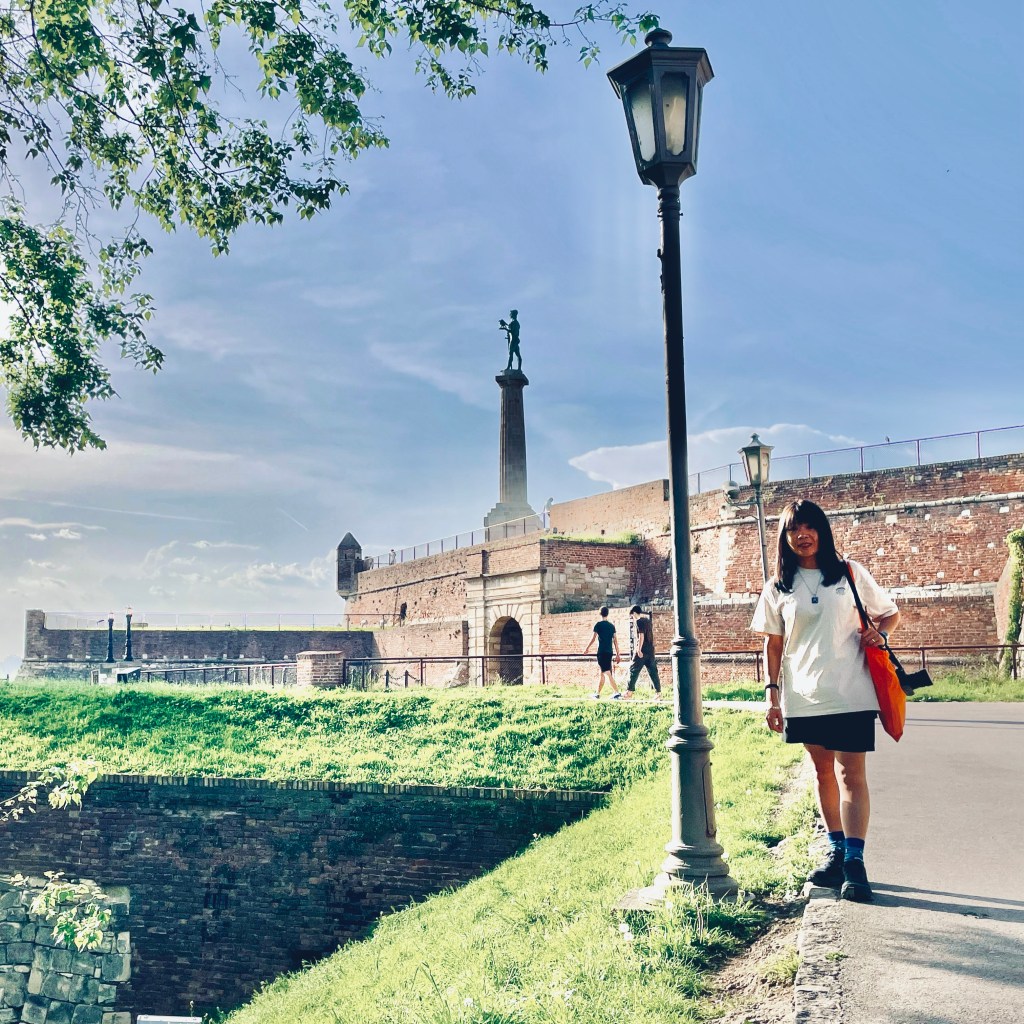
By now we’re hungry. It’s only a short walk to Kneza Mihaila, Belgrade’s main pedestrianised shopping street, where we find a modest, unfussy restaurant on the top floor of a shopping centre. Ideally, we’d sit outside and enjoy the warm spring weather, but the evening sun is hot and shining directly on the restaurant terrace. We opt for inside and enjoy very decent Serbian specialities of smoked trout (K) and kardjordjeva – breaded rolled chicken steak filled with creamy cheese – (me). Both are delicious, and our waitress is friendly and helpful. Full marks to the Serbs so far.
It’s not even dark yet, so despite feeling bushwhacked we take a stroll along Kneza Mihaila. Posters inform us that at Kalemegdan this summer you can see both Morrissey and Smokie (50th anniversary tour!). (I think Smokie get the nod for me.) And we’ve just missed a photographic exhibition celebrating 30 years of Britpop. We also count several large bookshops.
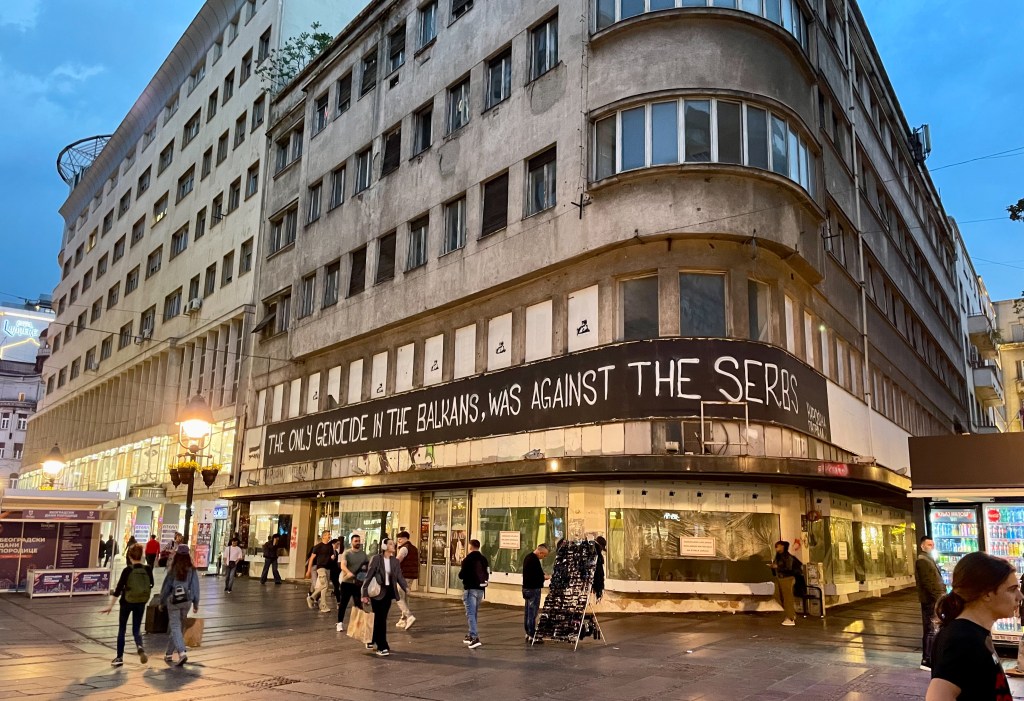
I’m beginning to feel quite at home here in Belgrade when K points out a building sporting the slogan, written in English, ‘The only genocide in the Balkans was against the Serbs’. No doubt many locals take exception to this crass historical revisionism, but it’s shocking, ugly, and unfortunately has me immediately reverting to my prejudices about the Serbs. History clearly suggests that every ethnic group in the Balkans has been victimised at some point; yet each group seems to think that they were victimised more than any other. Clearly, thousands of Kraijina Serbs suffered brutally in the 1990s, but it’s clearly a matter of historical record that they weren’t alone.
With this bad taste in our mouths, we walk back to our hotel for an early night.
Thursday 24 April
Our first full day in Belgrade starts unpromisingly grey and wet. Fortunately, it clears up just as we head out to hunt down some simple lunch, which turns out to be a toasted sandwich (me) and a tuna salad (K).
We spend the afternoon at the Serbian National Museum. Poor signage finds us navigating large parts of this in reverse chronological order, under the constant glare of busybody security staff: gruff late-middle age men, all of whom look like they know how to handle a gun. The section that should have been the most interesting – the rise of Serbia as a distinct nation of people – turns out to be the one I now recall the least about. Unless I missed something, it only covered medieval history, didn’t as much as mention the 1389 Battle of Kosovo, and failed to point out that Serbia was part of the Ottoman Empire for 500 years. Goodness knows what Turkish tourists (I hear Turkish being spoken several times) make of this section.
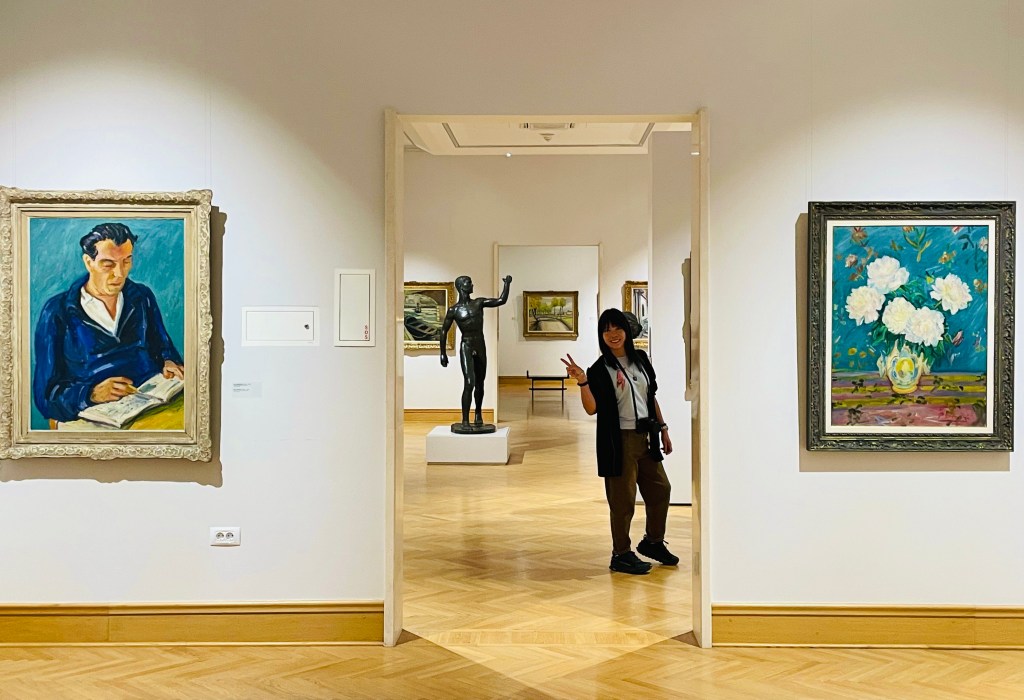
Far more rewarding is an excellent section on European art from the fifteenth to the twentieth centuries. The explanations of developments in art in each century are well-pitched at a non-expert like me, and the paintings, from landscapes to portraits to abstracts, are often stunning. There’s also an excellent section covering Yugoslavian art in the first half of the twentieth century. We stumble out late in the afternoon fully satisfied.
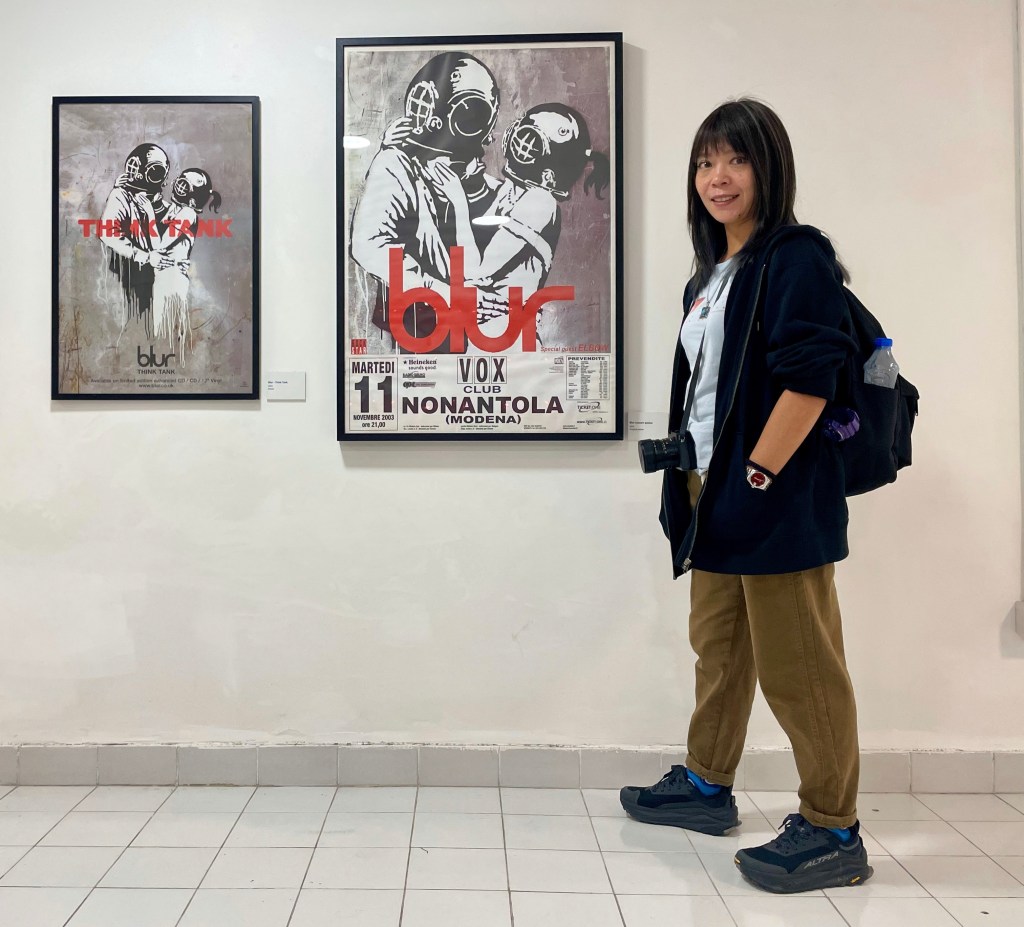
K’s keen to see a Banksy exhibition nearby. It costs us four times as much as the National Museum and, in my view, offers thin returns. I suspect I’m just getting a bit long in the tooth to appreciate guerilla artists like Banksy. Still, there’s an opportunity for a photo with Blur’s ‘Think Tank’ artwork.
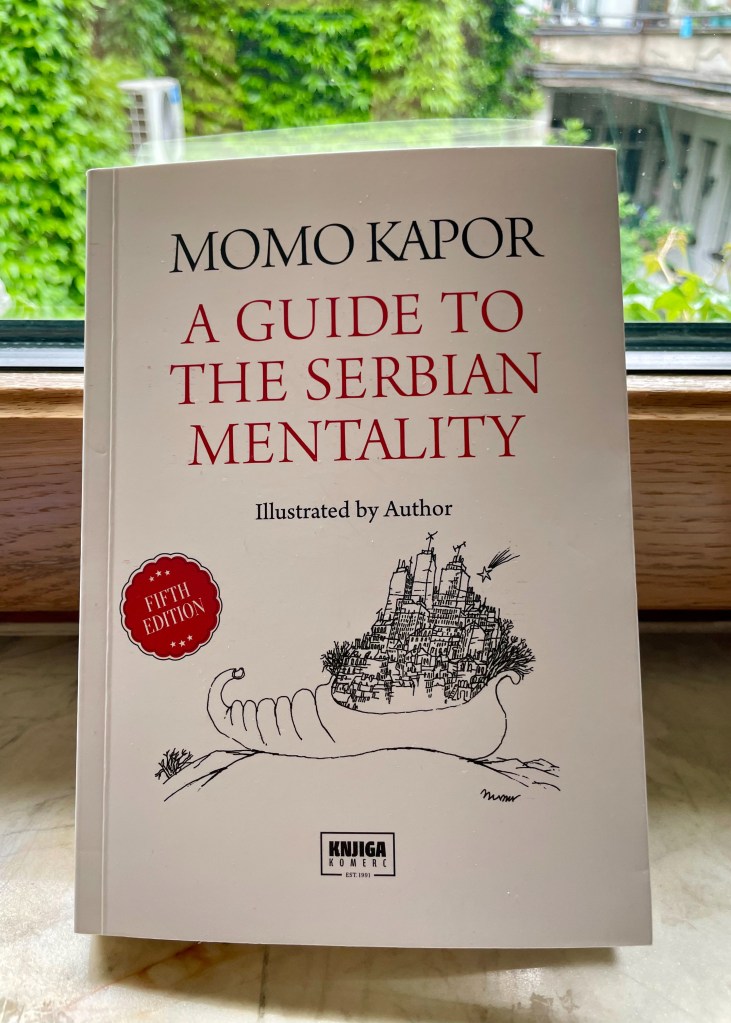
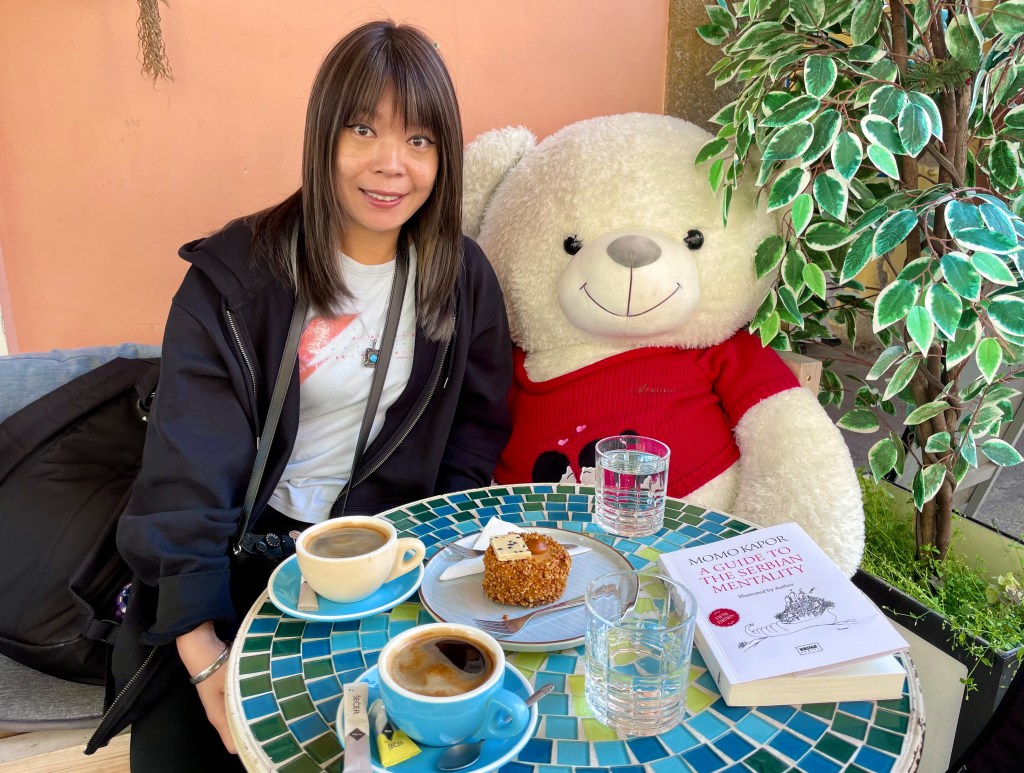
It’s still a little early for dinner, so we browse a couple of Kneza Mihalia’s many fine bookshops. I can’t resist picking up a copy of ‘A Guide to the Serbian Mentality’. Who could possibly resist a title like that?
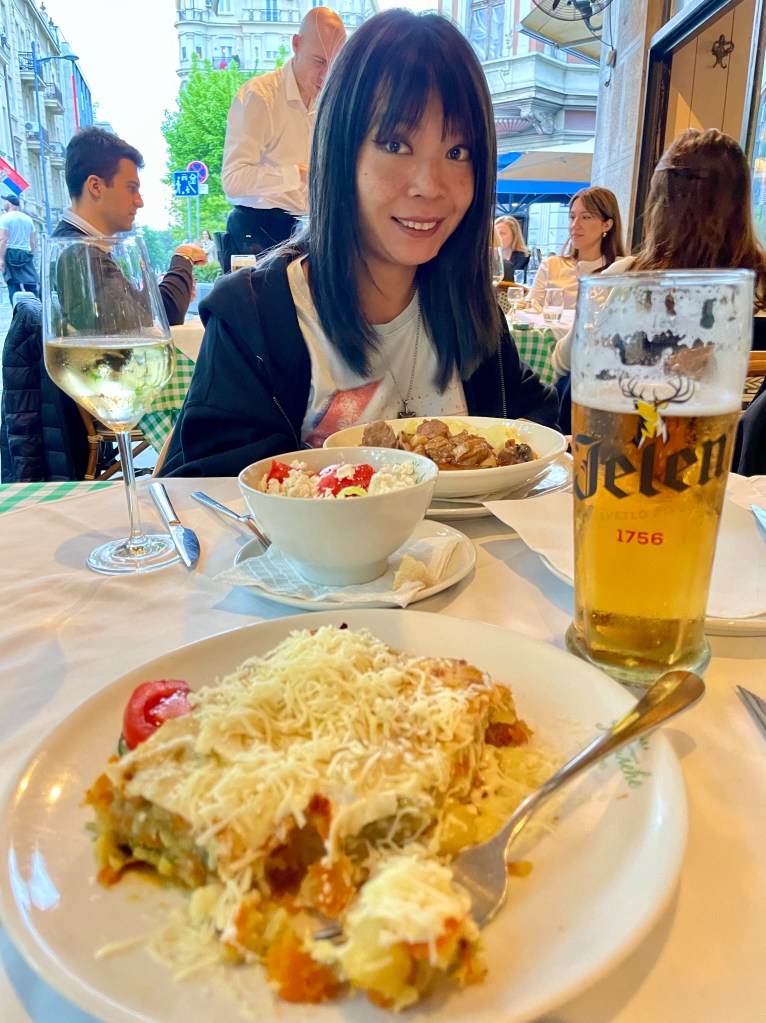
The sun’s about to set, so we find a bustling restaurant serving Balkan food with plenty of street seating in a quiet backstreet and tuck in.
Friday 25 April
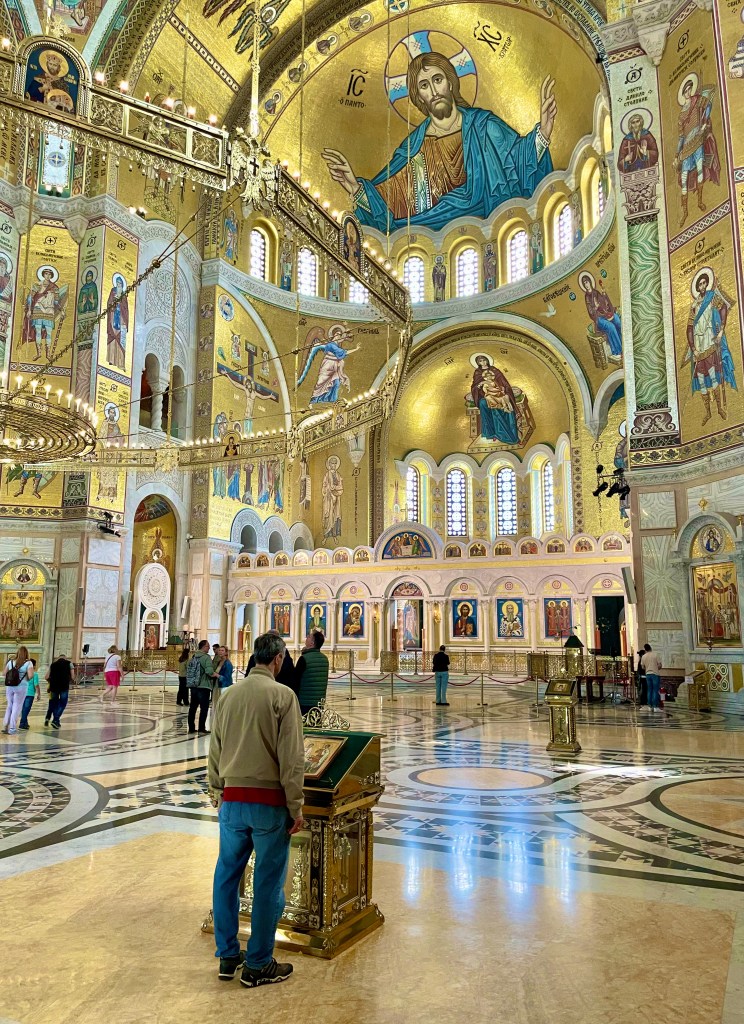
We make the most of our second and final full day in Belgrade. Our first stop is the Church of Saint Sava, the biggest Orthodox church in the Balkans. Orthodox Christians do like their bling: every available inch of the church interior is covered in gold leaf frescos. In its own way, it’s as impressive as Aya Sofya. What it lacks in historical relevance, it makes up for in being a living church with stunning frescos. And while it may not be on the scale of Aya Sofya, it’s still vast. Do exact measurements matter at this scale?
Sitting in a small park outside, we’re approached by a man of about my age with grotesquely swollen legs, the skin dry and cracked. It looks agonising. His teeth are mere stumps, and his forearms, which he rolls up his sleeves to show us, are covered in shrapnel scars. Somewhat surprisingly, he speaks good English. I’m reluctant to get drawn into a lot of conversation, but K is confident that he doesn’t have drug abuse issues, so we give him some money. Poor chap. He’s probably in a doom loop, but I get the impression that he’s a essentially a good person whose life has gone horribly, horribly wrong.
After a standing lunch in a spartan bakery under a flyover, we walk on to the Museum of Yugoslavia, passing Stadion Partizana, the home of Partizan Belgrade. (Red Star’s stadium is also nearby, but just a fraction too far out of our way to justify revisiting it for the first time since my heady night out in Belgrade in the summer of 1989.)
The main part of the Museum of Yugoslavia is rather underwhelming. There’s far too much focus on gifts bestowed to Tito by visiting foreign dignitaries, and not enough on everyday life in non-aligned Yugoslavia (although I do eventually stumble on a pair of roller skates and a large tin of socialist marmalade). Most of all, though, I’m just immeasurably glad that there is a Museum of Yugoslavia. A museum to a failed and vanished state.
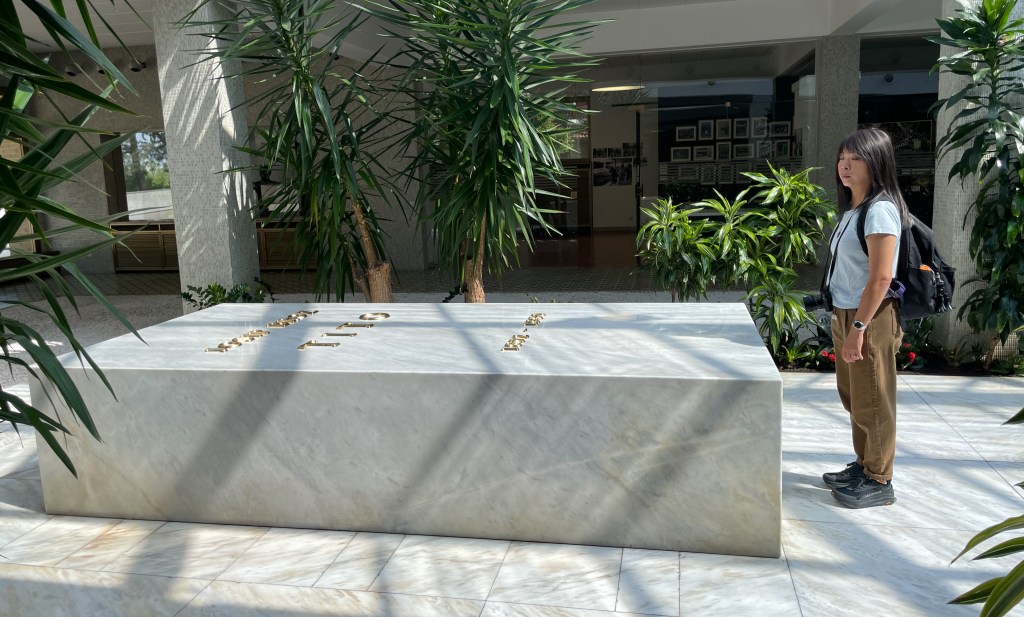
Far more impressive than the museum is Tito’s grave: a simple slab of marble in a sort of conservatory, surrounded on three sides by a moat of white pebbles and flanked on two sides by a bed of – somewhat incongruously – tropical plants, mostly young rubber trees. For a least a minute, it’s just me and Tito. Like all of us, he was far from perfect. Yet Tito kept a firm lid on the politics of grievance until the day he died. He believed in a muti-ethnic Yugoslavia in which economic growth and material wellbeing would weaken petty national rivalries. On his watch, Yugoslavia remained a sleepy backwater for decades. Given what happened after his death, being a sleepy backwater was arguably a solid aspiration, deftly achieved.
After an iced americano at the museum gift shop, we set out to walk to the River Sava promenade, which we reach at the brand new, vast, and very swish Belgrade Waterfront redevelopment. (It’s not unlike walking around Kai Tak just four days ago.) We follow the promenade along the banks of the River Sava and eventually skulk back to our hotel room for a rest before heading out to dinner.
We toy with the idea of eating out on Skadarlija, a cobblestone street lined with restaurants, each seemingly with its own traditional musicians flitting from table to table. But it’s predictably pricey, and we’ve already overspent even our raised budget this month. We head back towards more familiar streets and stumble on a Sri Lankan restaurant with street seating. Perfect. Mine’s a vegan curry; K’s is curry noodles. Delicious, and very affordable.
Saturday 26 April
We’ve only had two full days in Belgrade, but it’s already time to move on. Our hasty departure is apropos of Tim Pile, who long ago advised us not to linger too long in grubby Belgrade and instead make our way to handsome Novi Sad.
Our hotel receptionist is unsure which railway station we should depart from. Not knowing how to get from your country’s capital to its second city seems a curious omission until she reveals that’s she’s only recently moved to Belgrade after living in northern Greece for 35 years. She calls her daughter and it’s soon decided: we need to head out to Novi Beograd station.
Soon, we’re boarding a plush double-decker, high-speed inter-city train in brutalist Novi Beograd. If any buildings could ever be improved by a coat or two of paint, it’s the stark apartment blocks of Novi Beograd. The design is often ambitious: the blocks on one estate look as if the architect had moon rockets on his – it must have been a man – mind. Paint them in pastel blues, pinks and yellows and they might look rather attractive. But as they are, they’re truly ugly.
Once we leave the suburbs of Belgrade, our train accelerates rapidly and we tear through the flat countryside of Vojvodina. Unspecific green-leafed crops are beginning to poke up in the fields, which are punctuated by the occasional pet food factory and solar panel farm. Half an hour later, we pull into Petrovaradin in the suburbs of Novi Sad. This is as far as we can go as Novi Sad railway station remains closed after the deadly canopy collapse last November. Everyone disembarks and heads for the same narrow flight of stairs leading off the station platform. This modest suburban station wasn’t designed for the entire population of an inter-city train. We hold back and wait for the crowd to disperse before hauling our suitcases downstairs and out of the station.
Our friendly taxi driver has a tiny car, so we ride into Novi Sad with me in the front seat and K sharing the back seat with my suitcase. Leaving the railway station, we pass our erstwhile fellow train passengers waiting for a replacement bus service into town. We feel reassured that splashing out for a taxi was the right call.
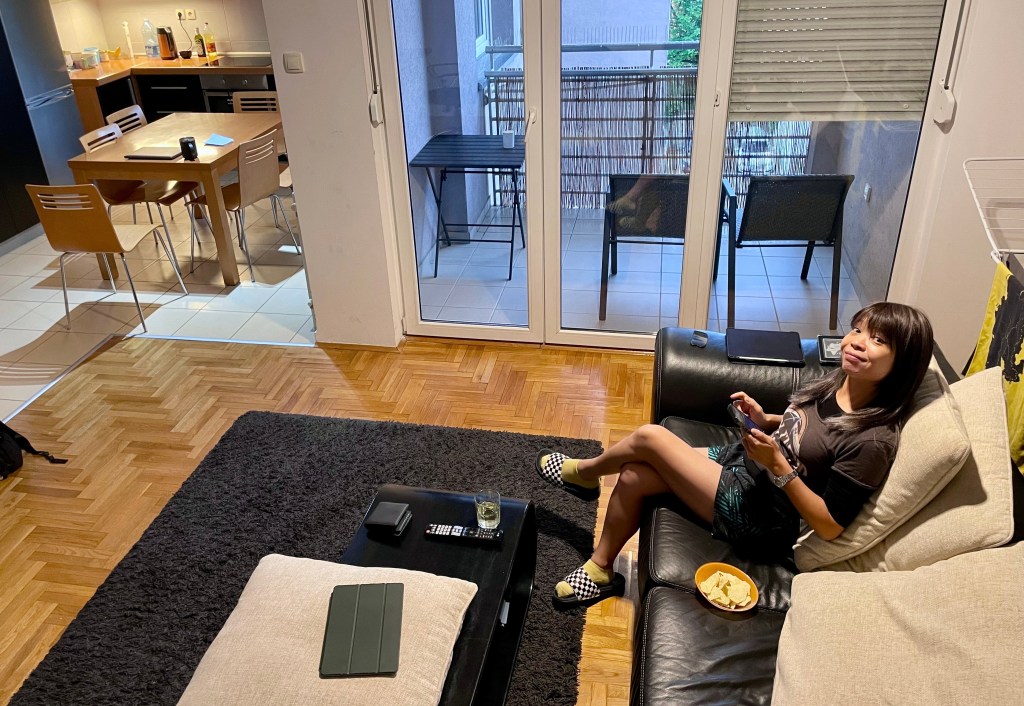
Our home for the next two weeks feels vast. We’re in a top floor (third floor – this is not Hong Kong) duplex on a quiet, shady street ten minutes from the city centre. Immediately, it’s clear that is one of the best Airbnbs we’ve had in 20 months on the road. (Not counting Queenstown: clearly the best, but we only had to foot a third of the cost of that one.) After finding our way around its many nooks and crannies, and making ourselves at home, we head out to stock up on groceries. After nearly six weeks of (admittedly welcome) disruption to our regular routine, it’s a simple pleasure to once again have a well-stocked fridge.
Home cooking will resume tomorrow, but tonight we’re eating out. As we arrive in the city centre, we spot closed roads and a large crowd of people. Cautiously, we wander towards the crowd. It’s a party atmosphere: parents have brought young children, there’s a constant shrill din of whistles, and at the centre there’s a stage, currently empty but blaring appropriately rousing music. K thinks it’s a football crowd, but many people are waving Serbian flags and there are no international matches today. I’m about to ask someone when I spot a banner written in English: ‘I’m so sick of this corruption!’ As I suspected, the good people of Novi Sad are out in the streets this evening to stick it to their government. Good luck to them.
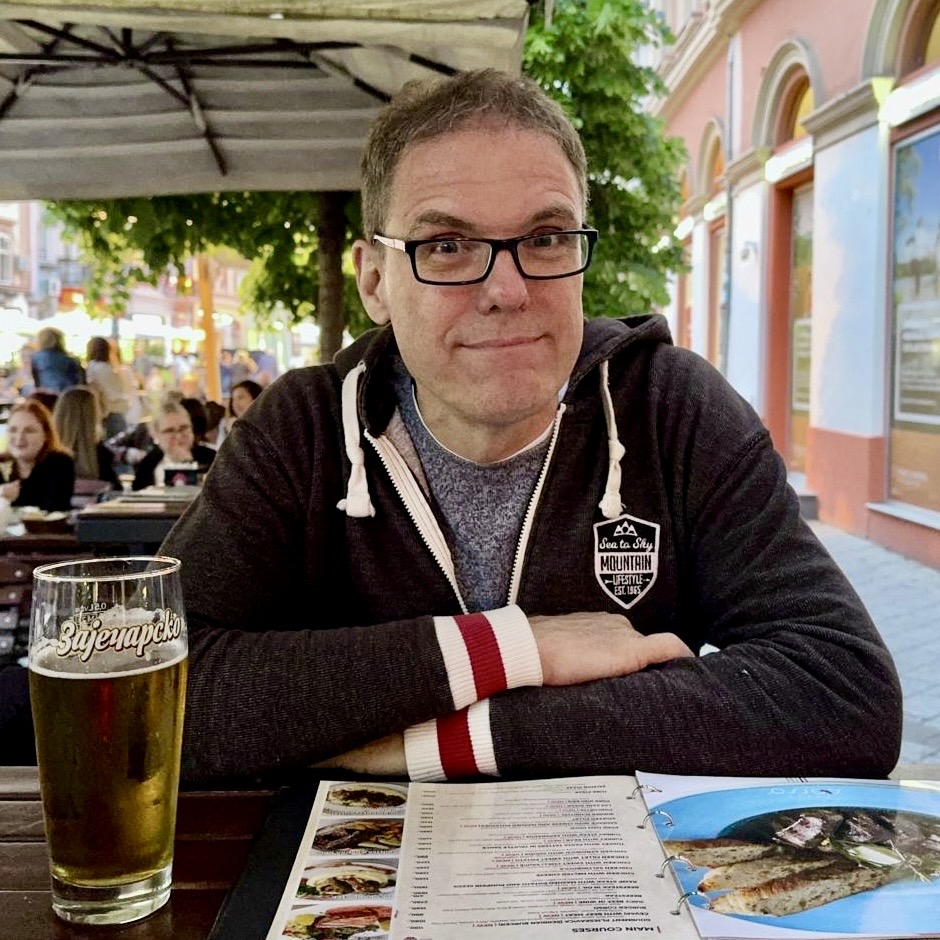
Unable to help the locals with their efforts, we retreat to Novi Sad’s main square. With its Catholic church and wide-open plaza, the square immediately feels more central European than eastern European. After all, we’re only a few miles from the Hungarian border here. A street leading off the square is lined with restaurants. Every local not out protesting tonight seems to be here, so we join them and sit down for a Saturday night meal and a spot of people watching. Key takeaway: we, and especially I, appear to be the oldest people out and about in Novi Sad tonight. How did I ever get this old?
Sunday 27 April
We’ve seen and done a lot in the last six weeks, but I’ve missed the comfort of a routine. Today, at last, we can ease back into a familiar cycle. We have plenty of time to explore Novi Sad at our own pace. Today, however, we choose to simply chill in our enormous new Airbnb. In the late afternoon, I skulk out to the local supermarket for a few basics, but that’s it. After six hectic weeks, we’ve regained the freedom to shape our days as they come. It’s an unexpected pleasure.
Monday 28 April
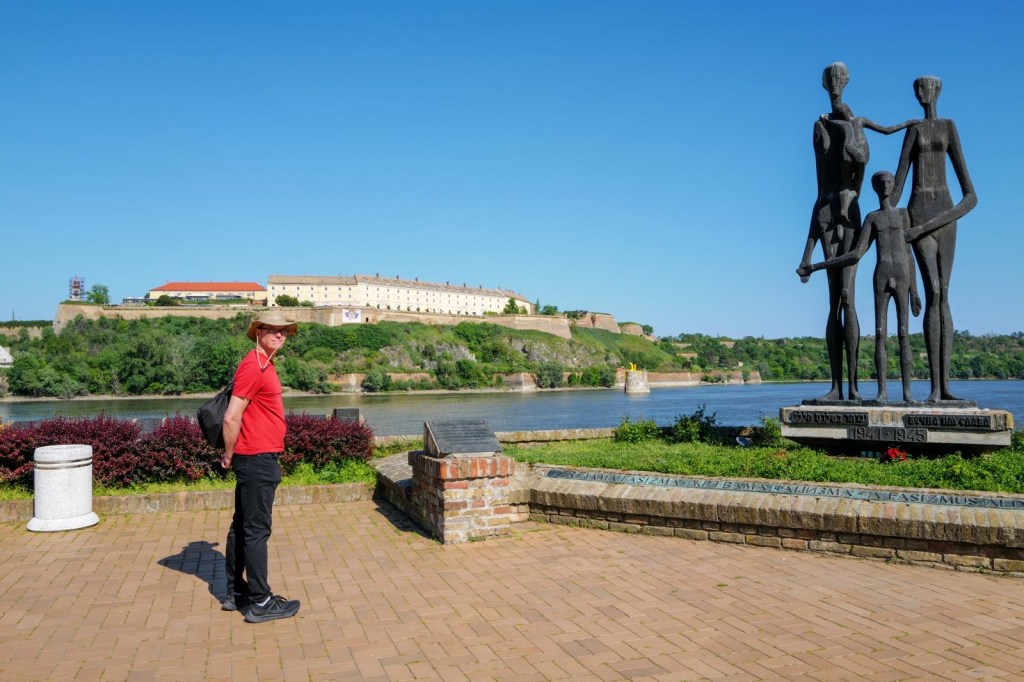
We’re now back to our regular routine of taking care of life admin in the morning and heading out after lunch. Novi Sad’s museums are closed on Mondays, so today we limit ourselves to wandering to the local park, and from there to the banks of the Danube. We find an old moored barge converted into a cafe and stop for a coffee. From here we have a good view of Novi Sad’s bridges. All three were destroyed in the NATO bombing of 1999. Two have been rebuilt; the third – just over my shoulder from where we’re sitting – hasn’t. All that remains is three massive stone supports in the middle of the river. I ask our waiter why the third bridge was never rebuilt; he confesses that he’s never really given it any thought. He was probably barely born in 1999. I guess it’s not a question that people under thirty think to ask.
The Catholic church is about to elect a new pope, so for our first evening film for many weeks, we watch The Two Popes. I’m enjoying it immensely (Anthony Hopkins, as Pope Benedict: “It’s a German joke, It doesn’t need to have a punchline”.) But of course I eventually doze off and miss the final thirty minutes. Normal routine really has returned…
Tuesday 29 April
The Petrovaradin Fortress is our destination today, a 30-minute walk from our Airbnb on the other side of the Danube. The sunshine is bright and warm: this might be the last day of spring when I wear black jeans in the daytime.
The fortress itself, despite its historical importance at the crossroads of the Austrian and Ottoman Empires, is only mildly diverting. It does, however, offer excellent views across the Danube to Novi Sad and, to the south, the isolated hilly plateau of Fruska Gora. Inside the fortress, the City Museum of Novi Sad is largely underwhelming but does contain an enormous dugout canoe (or a monoxylon as the museum insists on calling it). It’s simply one huge tree trunk, still covered with bark. There’s also a stand-alone multimedia section dedicated to Mileva Maric, first wife of Albert Einstein, a Novi Sad native and an outstanding theoretical physicist in her own right. It seems she co-wrote many of the papers that made Einstein famous, even though the papers in question were only published under Einstein’s name.
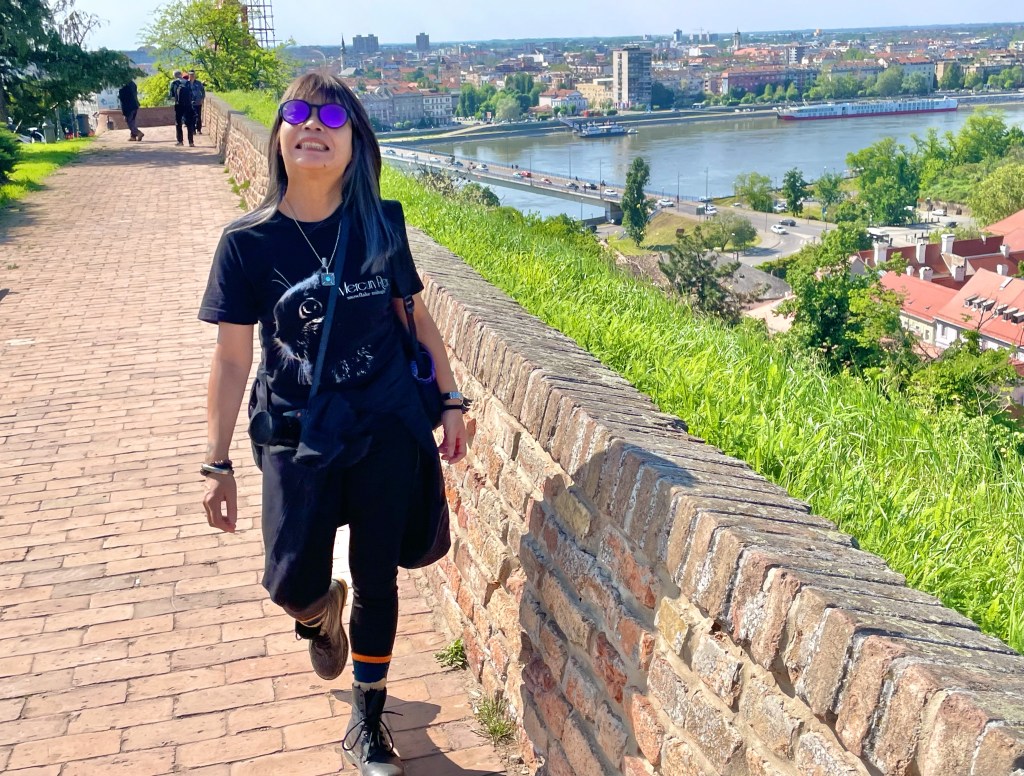
We stop for a coffee and a naughty slice of cheesecake at one of fortress’ several terrace cafes, then walk back across the Danube. I have no work to distract me at the moment, so I cook tonight – a simple dinner of gnocchi with pesto and veggies.
Wednesday 30 April
Novi Sad bus station isn’t far from our flat. For peace of mind, we wander there to sort our tickets to Budapest a couple of weeks from now.
Next to the bus station is the railway station, where 16 people were crushed to death last November when the canopy of the newly-renovated station collapsed. The railway station remains closed, presumably because no one can guarantee that it’s structurally sound. Flowers still lie on the ground in front of where the canopy collapsed.
Back home, I finish Mark Mazower’s ‘The Balkans: From the End of Byzantium to the Present Day‘. This book has tried to answer the question, ‘Why are the Balkans so dysfunctional as nation states?’ Its answer: because the idea of a nation state came from Western Europe and doesn’t transplant well to the Balkans, where nations – communities of people with a common identity – are much more intermingled than in Western Europe.
And why are they so much more intermingled? At least in part because under Ottoman rule people were freer to move around and settle the best agricultural land than they were in other parts of pre-industrial Europe. The result: Turks, Greeks, Bulgarians, Serbs, Croatians, Bosniaks, Albanians, Macedonians, Montenegrens, Romanians and Hungarians all ended up widely dispersed across the Balkans beyond their core historical hubs. It worked well enough in the age of empires. But once the First World War ended the age of empires, the Balkans was uniquely ill-suited to the establishment of the nation states that followed. Fascinating stuff.
Equally fascinating is that nationalism started as a progressive movement: a way to foster social cohesion and collective purpose, and thus satisfy psychological and emotional human needs through a shared language, culture and sense of belonging. But every good intention has unintended consequences: the nation-state model can fuel exclusionary identities. Ethnic nationalism, conflict and even ethnic cleaning can follow. The law of unintended consequences at full reach.
To help myself understand all the above better, I try to explain it to K over dinner in a side street off Novi Sad’s central square. We also agree that we must get our Morocco plans sorted very soon. Time is ticking…
Thursday 1 May
Dad would have been 80 today. He would have had a right old moan about it. Very hard to imagine dad at 80. When he died, he was 23 years older than me – an impossibly distant point in the future. Now, I have several friends approaching or already beyond 70, the last birthday dad reached. It’s still some way off for me, but it no longer feels unimaginable.
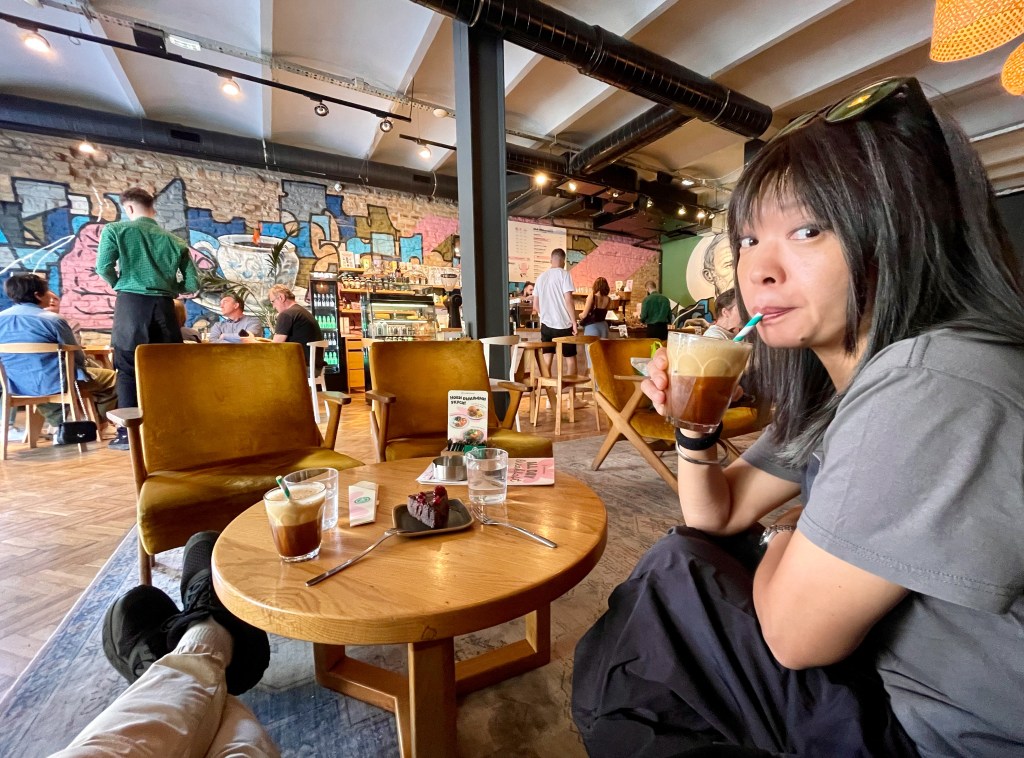
May 1 is a holiday in Serbia. Almost everywhere is closed and the streets are strangely quiet – quieter than they were on Sunday. The gallery we head for in the afternoon is, as we expected, closed. Instead, we find an open cafe off Novi Sad’s main square and manage to nab the best seats – plush velvet ones – for an iced americano and a slice of chocolate cake.
Back home, we embark – some weeks late – on the latest series of The White Lotus, filmed in Koh Samui.
Friday 2 May
A visit today to the Matice Srpske Gallery in Novi Sad. When we ask for two tickets, we’re told that entry is free today. What’s not to like?
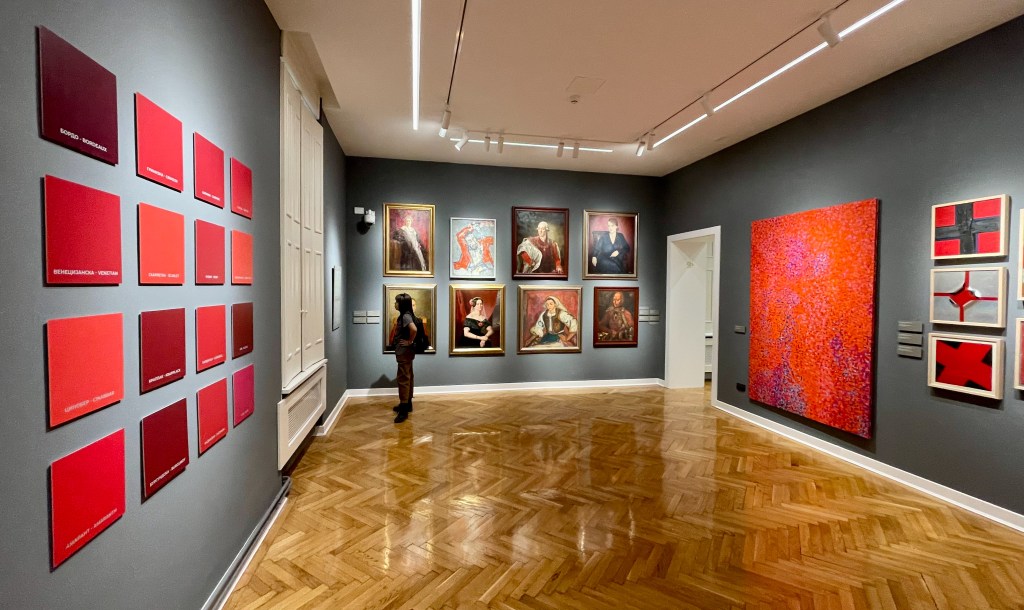
We spend the next two hours working our way around this excellent three-floor art museum, which we would very happily have paid to see. Like the art section of the Serbian National Museum in Belgrade, the explanations in each room are first class. The gallery even includes bilingual laminated crib notes for many of its paintings: sit down in a room of your choice on a comfy soft-furnished bench, pick up a crib note sheet, and read about the painting in front of you. A few others are here today, but more often than not we have each room entirely to ourselves. It’s all very civilised.
Most of the collection focuses on Serbian contributions to various European art movements. But perhaps most interesting is a room that focuses on the colour red in paintings of many styles and eras. It’s like the art equivalent of a John Peel show: wildly eclectic:
Back at the flat, we start booking our Morocco accommodation. I’ve been rather nervous about our Morocco trip. But now that we’ve done more research and secured our first Airbnb (Casablanca), I’m beginning to feel more confident about it. It’s the uncertainty that makes me nervous. I should know this by now, but Morocco will be the first place where I take a giant step out of my comfort zone. I just know that I need to prepare well.
Saturday 3 May
I’m on the AsiaEdit roster for the first time since we were in Thailand. Encouragingly, I land two jobs, both of which are quite straightforward.
This, of course, means a quiet, studious weekend ahead.
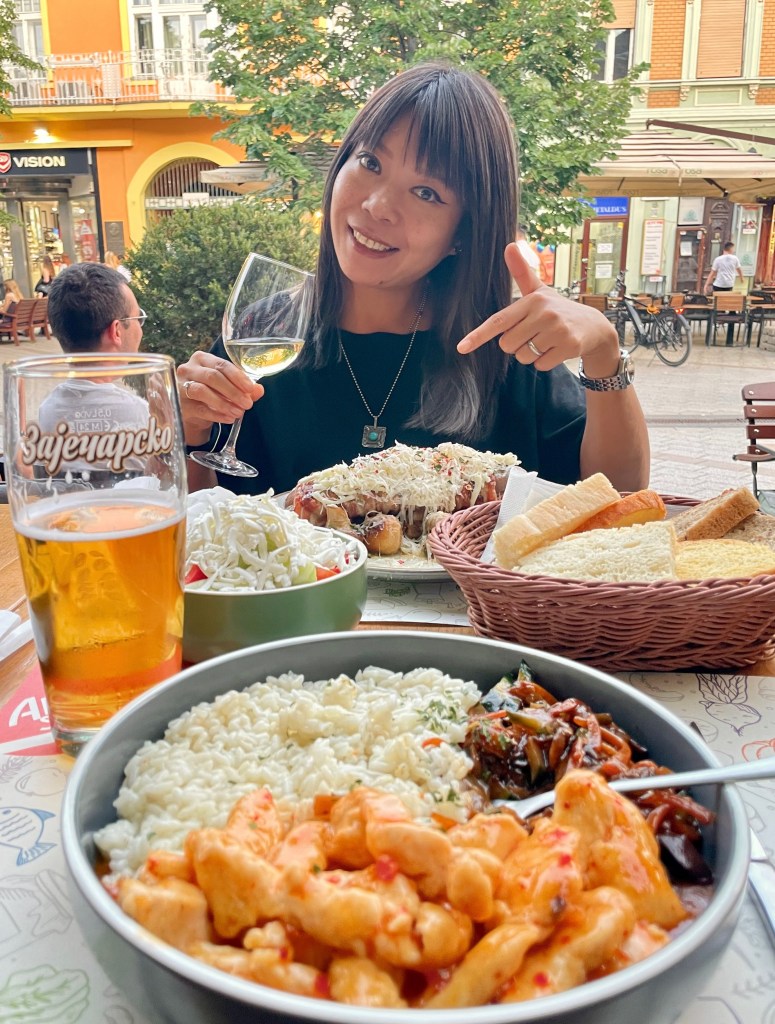
Shortly before sunset, we return to the restaurant that we visited on our first night in Novi Sad a week ago. Downtown Novi Sad is busy tonight. It was busy last week, but half the city was at the big protest last Saturday. Tonight, half the city appears to have headed here. Are they all locals? Or are some tourists like us? It’s hard to say. K’s the only non-white face, but surely some are visiting from elsewhere in Serbia, from Bosnia, Croatia and Hungary? Who knows?
The portions are so generous that neither of us can clean our plate. Back at the flat, we continue with the Thailand-based series of The White Lotus.
Sunday 4 May
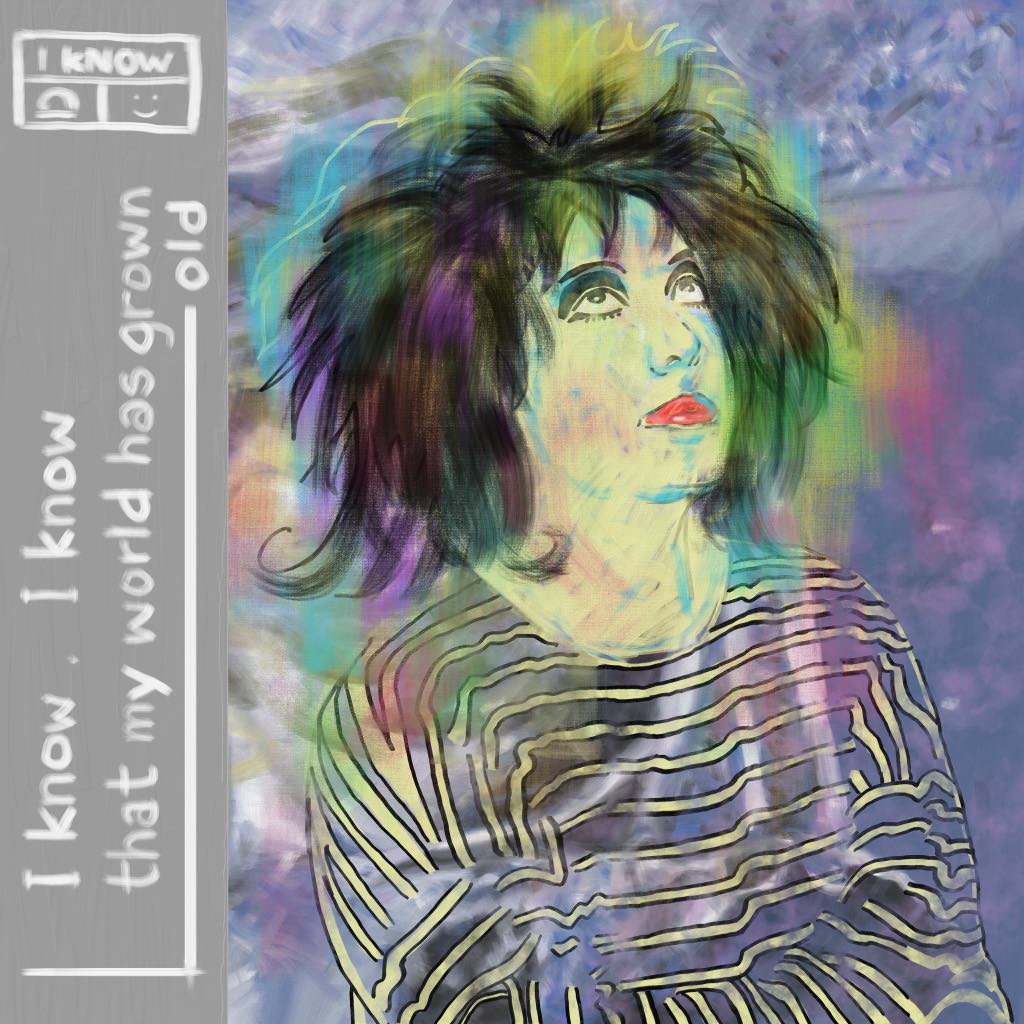
By mid-afternoon, I’ve finished work and pop out for a few groceries and to grab some fresh air. K’s working on one of her music series of paintings: she completes a wonderful portrait of Robert Smith.
Monday 5 May
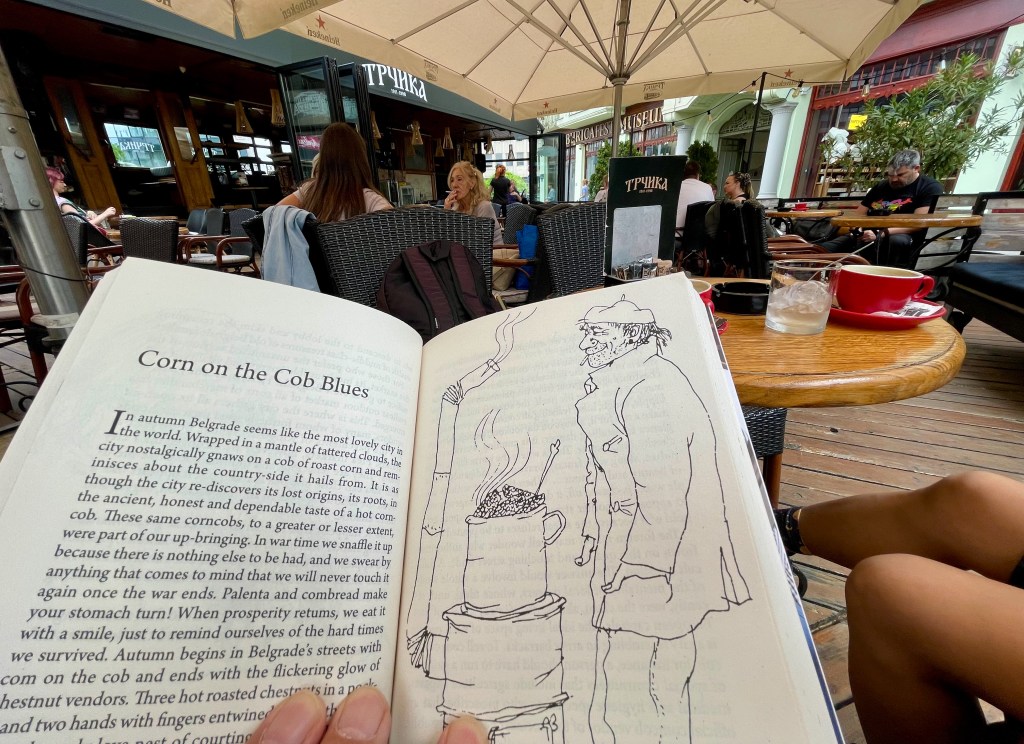
Novi Sad pretty much shuts down for its few tourists every Monday, so after finding a tiny stationery shop to replace my notebook and pens, we simply wander downtown for an al fresco afternoon coffee and read our books. Throw in some grocery shopping and life outside the flat is done for today. After a hot few days, it’s cooler again. When we emerge from the supermarket, there’s a wonderful smell of spring rain.
In today’s life admin, I submit my Hong Kong tax return, arrange to receive rates bills electronically, find a cheap car rental for tomorrow and spend well over half an hour simply proving my identity in order to drive it. Life after 39 really is mostly admin.
Tuesday 6 May
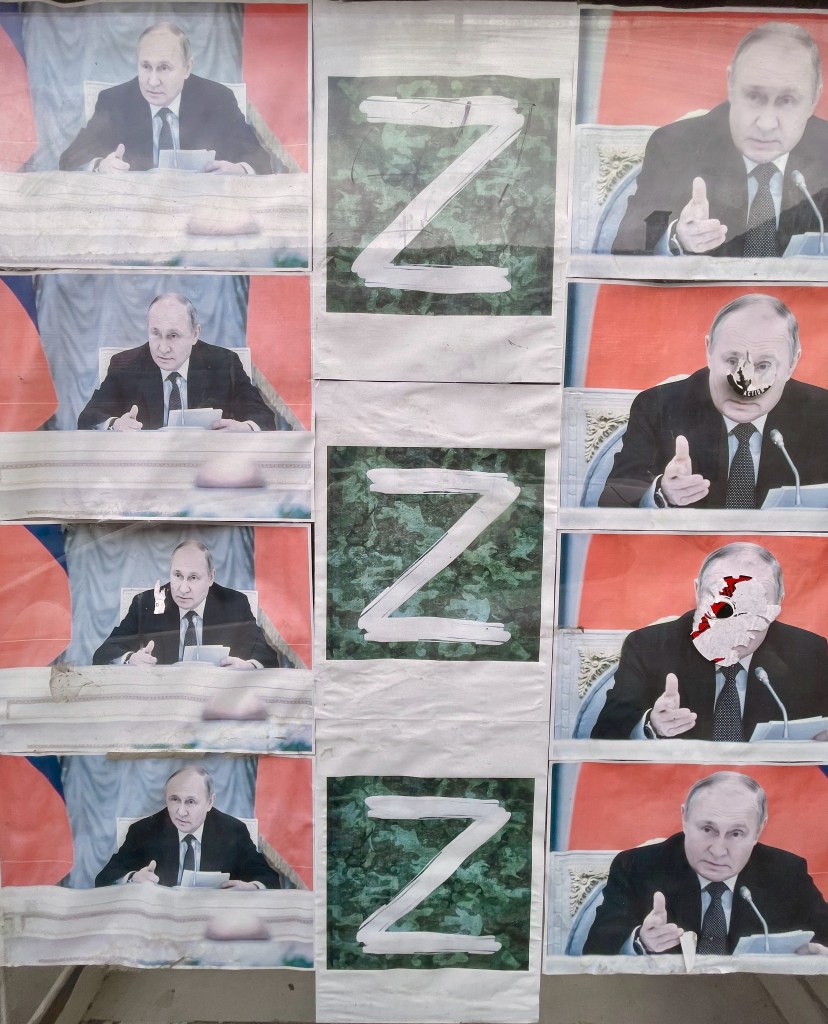
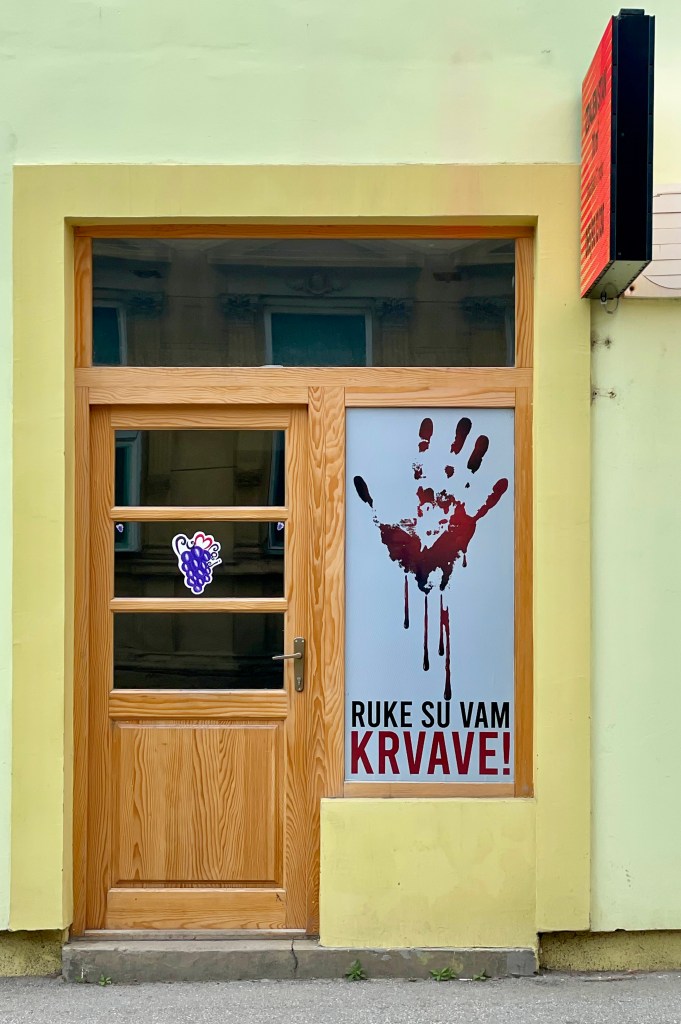
It’s time to explore the hinterland of Novi Sad. We rent a car and drive out to nearby Sremski Karlovci, once a refuge for Balkan Christians and seat of the Serbian Orthadox Church, with its many questionable political ties. We park some way out of town and walk into the centre, passing some ugly pro-Putin propaganda, but also some encouraging resistance to Serbia’s current leadership:
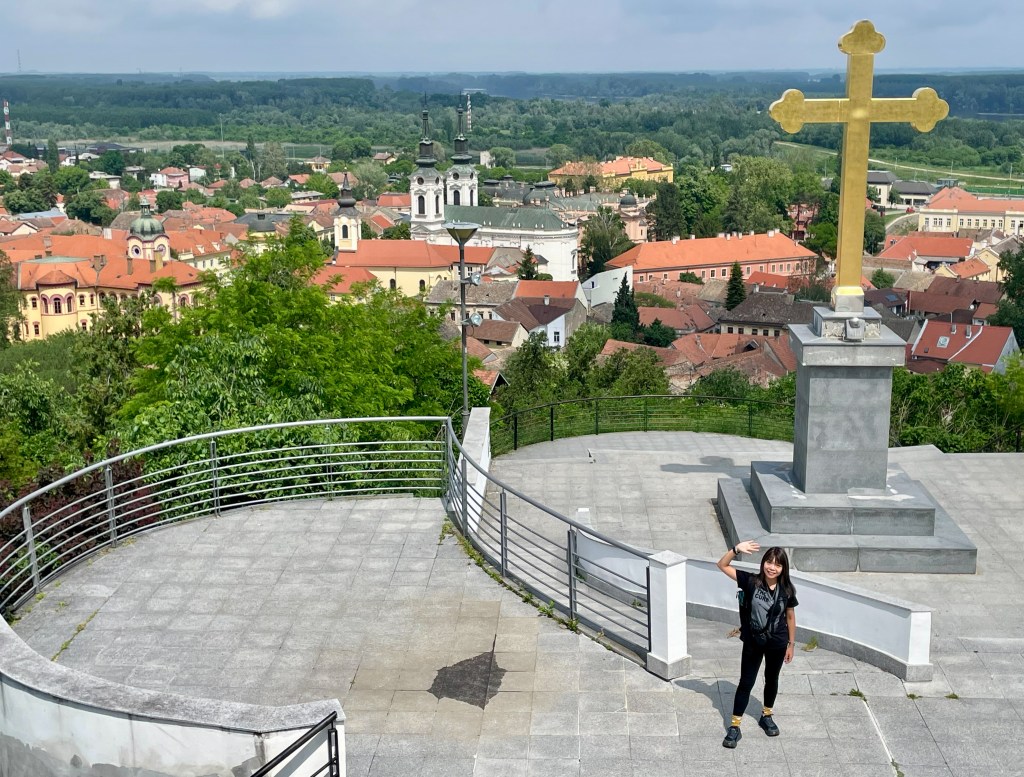
It’s a small place, with a elegant centre way out of proportion to the town’s size. As we arrive in the main square, several priests in ther black robes are emerging from St Nicholas Cathedral. Also present are a number of suited young men with crew cuts and a tough look about them. A tour guide stands in front of the cathedral with a group of Turkish tourists explaining the nuances of the cathedal’s design and construction. We stroll the town centre and walk up to a viewpoint from, where we have a clear view of the nearby Danube and of Novi Sad a few miles upstream.
Back in the town square, we slip into a now almost empty St Nicholas Cathedral. The rococo alter is a full blast of Balkan bling:
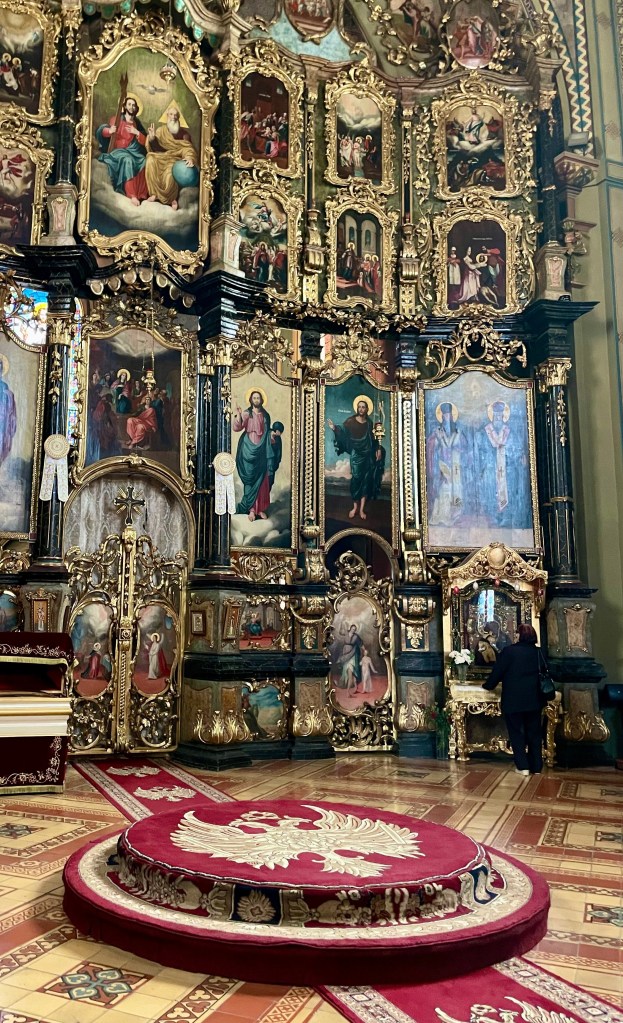
After each scoffing an enormous toasted sandwich, we return to the car and drive towards Fruska Gora National Park. Fruska Gora – a former island in the ancient Pannonian Sea – is the only hill for miles. It reminds me of a forested twin of Hong Kong’s ‘Jelly Mould’. The little-used road is full of bumps and potholes but eventually leads us to the beginning of the hiking trails that lead through the park. We’re the only ones here and we’re not sure which way to go. Then I spot someone descending a zig-zag path and realise this is the paved path up to the grave of Branko, a Serbian romantic poet. It’s gives us a destination to head for, so we follow it:
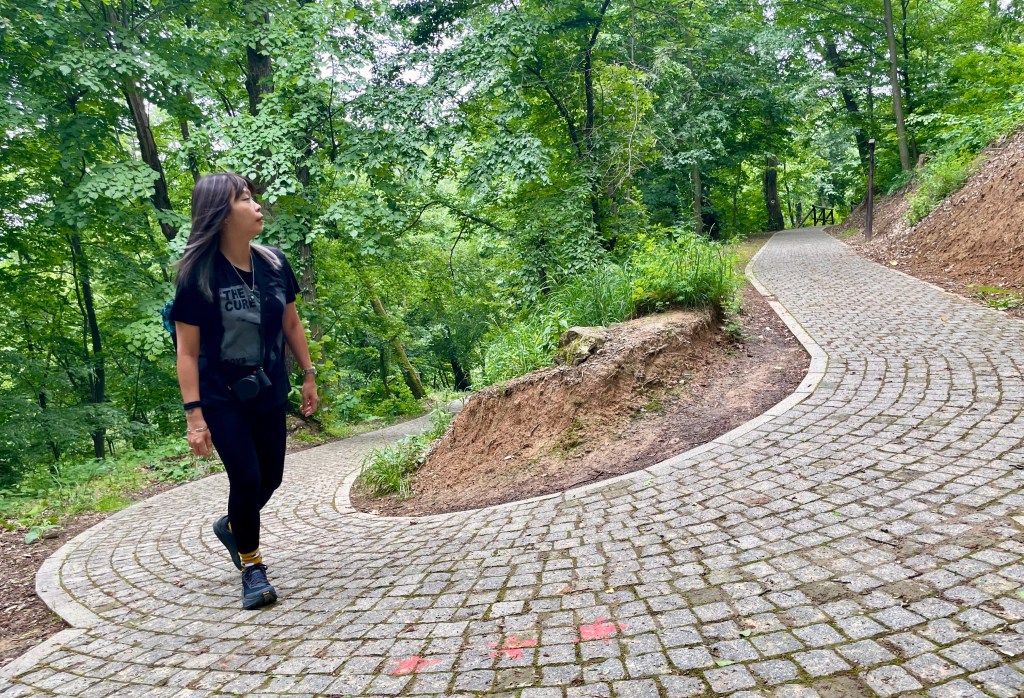
As we head up, the only sound bar own own footsteps is birdsong. We see no one. By the time we reach the monument marking the grave, it’s noticeably gloomier. We trot back down and continue our drive, aiming to loop around the south of Fruska Gora before returning to Novi Sad via the main road that cuts through it.
Before long, the rain starts, gentle at first but ever heavier. As we loop around Frusca Gora, we pass through the small towns of Indija, Putinci, Ruma and Irig. In Irig, several hundred wet people accompanied by a police escort are marching in the rain to protest the current Serbian government. Despite the rain, it’s good natured and we wave as they pass:
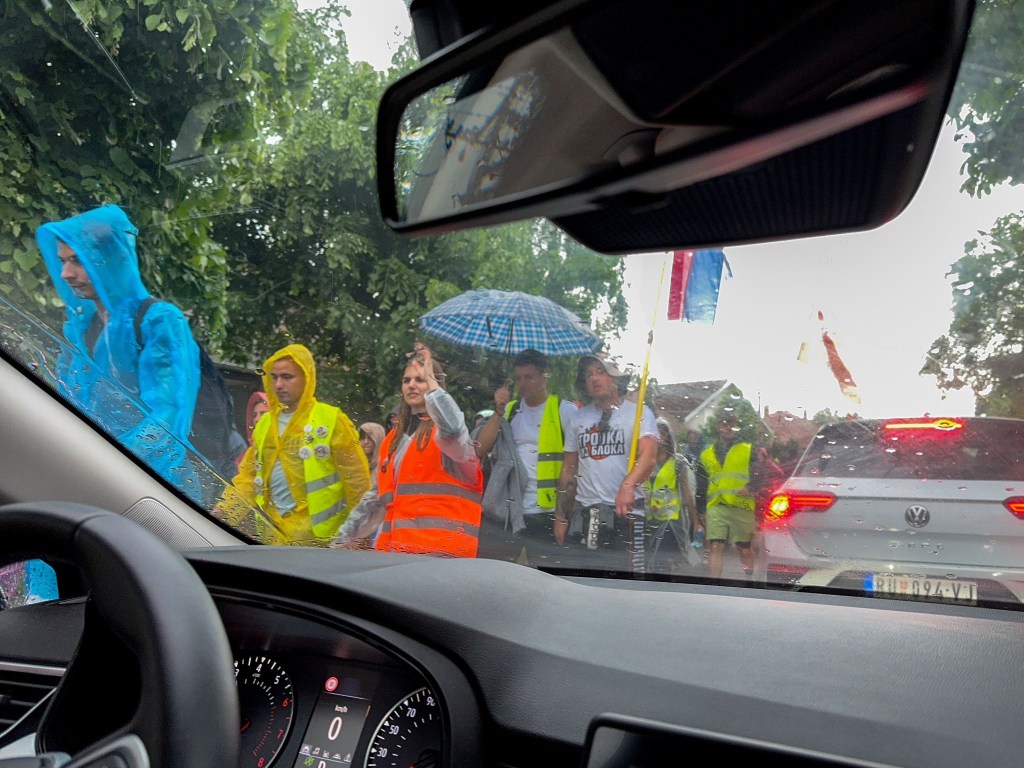
Behind the protesters, an almighty traffic jam extends several miles out of town up into the forest. As the traffic jam peters out near the crest of Fruska Gora, we spot a traditional-looking restaurant and stop for an afternoon coffee.
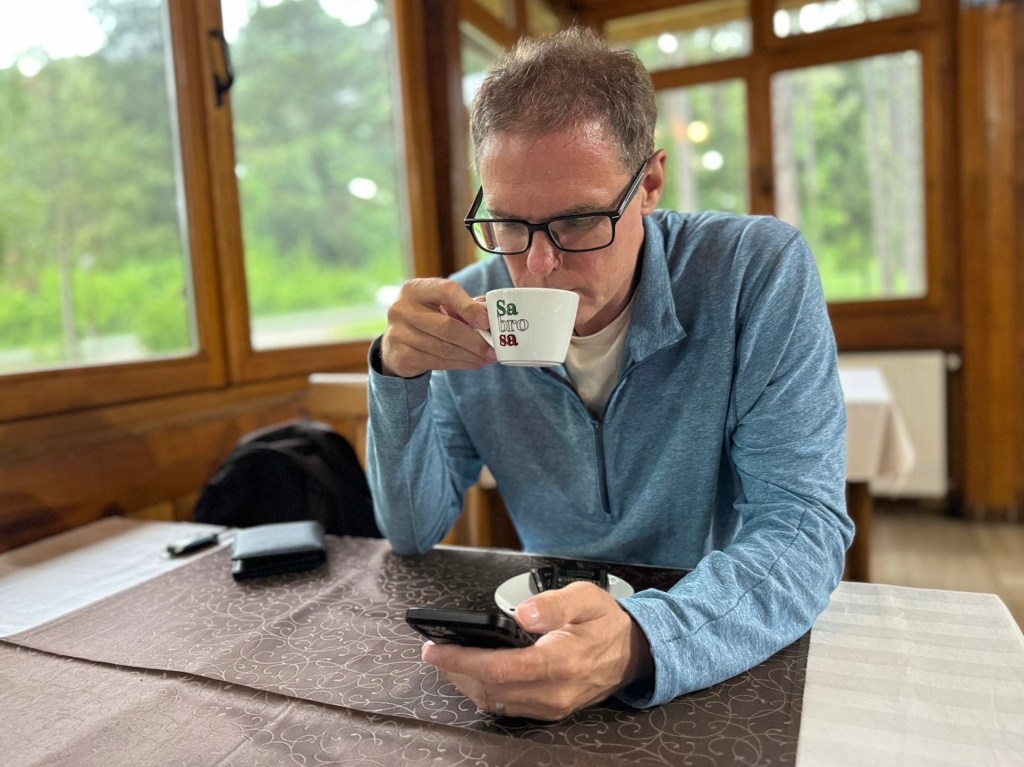
As we sip our americanos, what’s already a wet afternoon descends into an almighty thunderstorm. The short drive back to Novi Sad is a blur of windscreen wipers and torrential rain. A wet end, but mission accomplished: we’ve explored Novi Sad’s hinterland at our own pace.
In the evening, we start on Adolesence. It’s as gripping as everyone says.
Wednesday 7 May
A quieter day today. After lunch, we spend a couple of hours in the Museum of Vojvodina. Although a couple of groups of rowdy – but mostly out of sight – schoolkids occasionally make their presence heard, for long periods we appear to be the only visitors. It’s a museum of traditional sensibilities: its IKEA style layout has a knack for making us linger over the neolithic tools and ancient pottery a little too long. So, when we finally reach the story of modern Vojvodina – arguably the most compelling part – our energy levels dip and the allure of coffee and cake outweighs the charms of nineteeth-century maps and fashions.
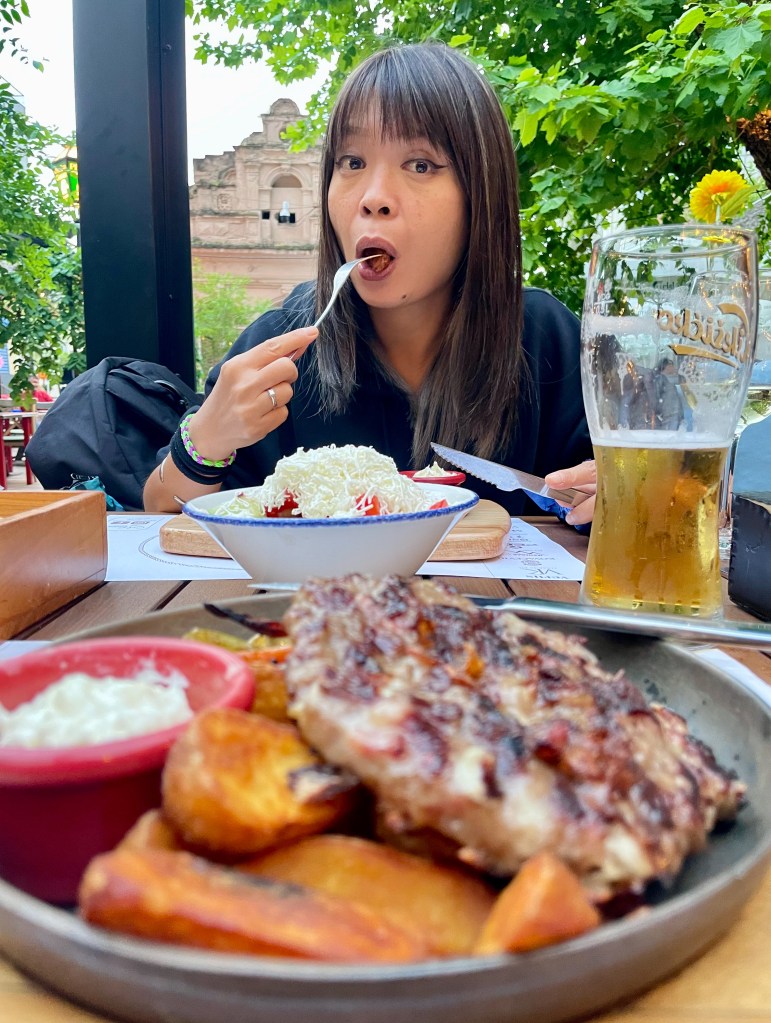
Back outside, we recharge with the requisite coffee and cake, shop for a few groceries, and hunt for somewhere to eat. We settle on a place in a secluded courtyard off the the main square and both order pljeskavica – the iconic traditional Serbian burger. It’s superb. The meal is made even better by our charming, non-English speaking, waiter who makes us feel very welcome with gestures alone. Our best restautant meal in Serbia by some distance.
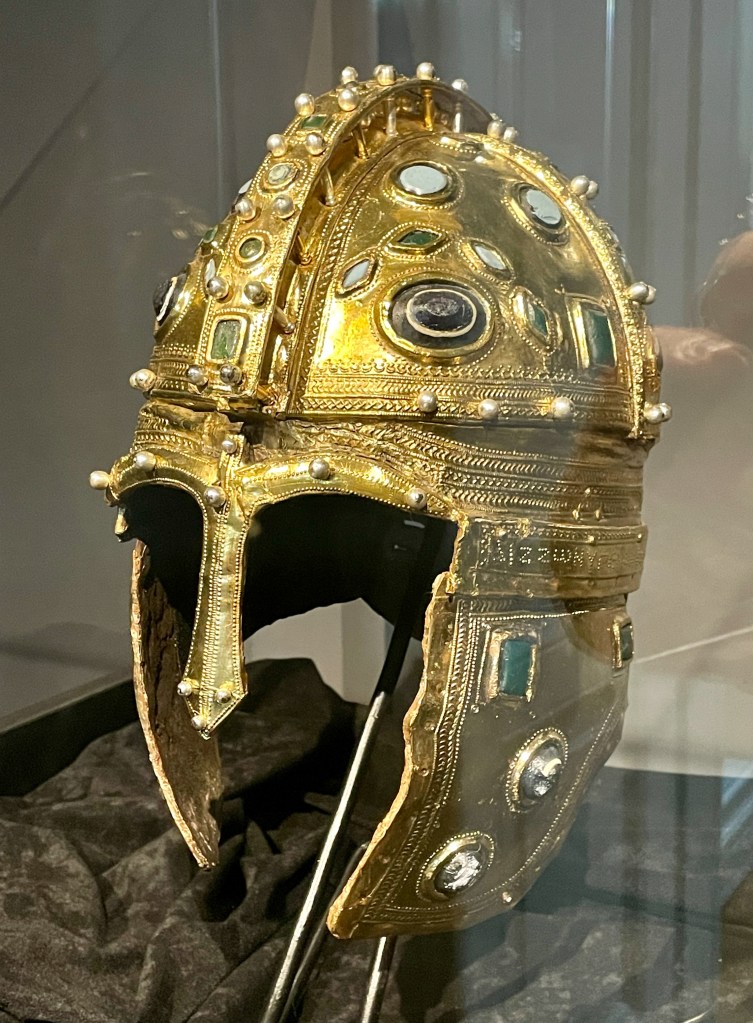
Back in the flat, we finish Adolesence. It’s one of the most gut-wrenching dramas I’ve ever seen. Much to let percolate over the coming days.
Thursday 8 May
It rains all day. A perfect opportunity to push on with planning our travels this autumn. By the end of the day, we’ve booked accommodation in Marrakesh, Rabat and Tangier (we’ve already booked Casablanca), and a flight from Funchal to Madrid. (Madrid looks like it will too expensive to linger in for three weeks, so we’re considering Salamanca for a couple of weeks as an alternative.)
We’re also doing our Budapest homework this week. Tonight’s assignment is a Hungarian drama on Netflix, But What About Tomi? : “Two friends in recovery from alcoholism struggle against temptation while desperately searching Budapest’s streets for their missing comrade, Tomi.” It’s well worth watching and works as a sobering contrast to the ’20 Essential Things to Do in Budapest’ YouTube video that we watched earlier this weeek.
Friday 9 May
The weather brightens up. It’s a cool but bright spring day. We spend the morning booking accommodation in Salamanca and flights to Costa Rica, then head to the Museum of Comtemporary Art. The modern art itself is predictably underwhelming (a video of six men washing a large carpet as a commentary on corruption – eh?). But half the museum has nothing to do with contemporary art: it’s a detailed history of Yugoslavia during World War 2. Unfortunately, most of the expalanations are in Serbian only and I don’t feel motivated enough to point Google Translate at everything.
Instead, from peering at maps, I bring away two insights: One, the Kingdom of Serbs, Croats and Slovenes didn’t even consider the existence of Slav muslims as a seperate ‘nation’. Of course, that doesn’t mean that there wasn’t a strong sense of community among the muslim population. But somehow it didn’t seem like such a big deal a hundred years ago. Two, the Kingdom of Serbs, Croats and Slovenes /Yugoslavia was not only a successor state to the collapsed western edge of the Ottoman Empire, but also a successor state to the collapsed Austro-Hungarian Empire. Perhaps a multinational successor state caught between two collapsed empires was always going to struggle.
It’s a glorious afternoon so we stop for an al fresco coffee and cake before heading back:
We’ve taken the plunge and bought our tickets to Costa Rica, so after dinner we watch a YouTube travel video about San Jose. Hmmm. Not very encouraging. We weren’t planning to linger too long in San Jose, but it seems Costa Rica in general – while mostly safe – is overpriced and difficult to get around without hiring expensive private taxis. Perhaps we should have done more homework before buying our tickets. We have a lot of reserach to do.
Saturday 10 May
No work comes in from AsiaEdit, so we’re both free to explore on our final two days in Serbia. I read something about a big flea market in the northern suburbs of Novi Sad. But when our taxi drops us there mid-afternoon, it’s long since wound up for the day and the last traders are packing up their wares. Time to pivot. We can’t walk back the way we came: there’s a busy vehicles-only bridge leading over the Danube-Tisa Canal. Instead, we wander through a quiet suburb of stand-alone houses, including an occasional gaudy mansion, towards another bridge leading back over the canal. Immediately on the other side of the canal, we stumble upon what appears to be Novi Sad’s main suburban shopping mall. It’s not going to win any design awards, but the pleasure of wandering around these common-or-garden malls is realising, town-by-town, that people are pretty much alike everywhere. Whatever else they do, they go to malls and maybe stop for a coffee, which is what we do right now.
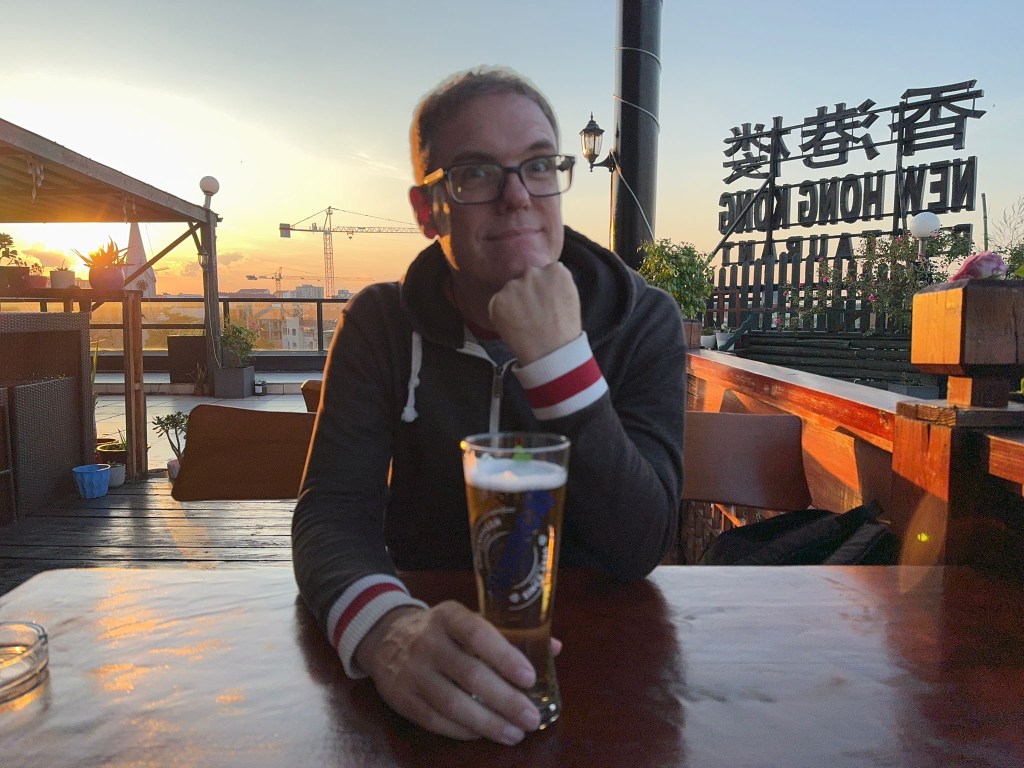
From the mall, it’s a long walk back to the flat, but we absorb lot more on foot than we would have noticed from a taxi. We rest up for an hour, then head downtown to eat at the rooftop New Hong Kong Restaurant. We noticed it on our first evening in Novi Sad two weeks ago and want to try it before we leave. It’s pretty quiet considering that it’s Saturday night. Perhaps it’s primarily a money laundering opertaion. Who knows? Still, the food is fine: dumplings, curry noodles, and a plate of broccoli. The most challenging thing is deciding what language to speak to the Chinese staff. Serbian? Mandarin? Cantonese? English? We bumble by with bits of each. We never do find out where they’re from.
Sunday 11 May
A very quiet final day. We eventually leave the flat in the late afternoon for a coffee, followed by a final meal out (we’ve already used up our groceries).
And that’s it. We came to Serbia to try to understand it on its own terms after having spent two months in Bosnia last year. The Serbs we’ve met here have invariably been friendly, engaging and welcoming, not to mention excellent English speakers. What happened to Yugoslavia in the 90s was a tragedy. Many unspeakable things happened. Things certainly aren’t hunky dory in Serbia right now, but the 90s thankfully feel a long time gone. I suppose they are…
 Two On Tour
Leave a comment